
mirror glass design for wall
Understanding Snap Check Gauges A Comprehensive Overview In the world of precision engineering and manufacturing, ensuring accuracy and consistency in measurements is paramount. One tool that has gained significant traction in various industries is the snap check gauge. This article will explore what snap check gauges are, their purpose, and how they contribute to quality control and efficiency in manufacturing processes. What is a Snap Check Gauge? A snap check gauge is a precision measuring instrument used to determine whether a workpiece meets specified dimensional requirements. Unlike traditional measuring tools, the snap check gauge features a fixed measuring point that 'snaps' into place when it comes into contact with the surface of an object. This mechanism allows for quick and reliable checks of key dimensions, such as diameter, length, and height. The snap check gauge is designed to simplify the measuring process, especially in high-volume production environments. It is particularly useful for checking parts that need to fit into an assembly, ensuring that they adhere to tolerance levels. This tool usually comprises a sturdy frame, precision blades or pins, and a handle for easy operation. Applications and Usage Snap check gauges find their applications in a variety of industries, including automotive, aerospace, textiles, and electronics. In manufacturing, precise measurements are crucial for ensuring that components fit together correctly. A deviation as minor as a few micrometers can lead to malfunctions or inefficiencies in machinery. To use a snap check gauge, the operator simply positions the gauge over the component being inspected. The design allows the snap check gauge to easily engage with the surface, and an audible click often confirms a secure fit . This rapid feedback loop significantly reduces inspection times, making it easier to maintain workflow efficiency. snap check gauge Moreover, snap check gauges can be customized to measure specific dimensions based on the requirements of a particular project. This versatility means that manufacturers can adapt their inspection processes without needing to invest in multiple measuring tools. Benefits of Using Snap Check Gauges 1. Efficiency One of the primary benefits of snap check gauges is their ability to deliver quick results. In a production environment, time is of the essence; thus, being able to check measurements rapidly helps maintain productivity levels. 2. Accuracy Snap check gauges are designed to provide high levels of accuracy, ensuring that parts are within the specified tolerances. This precision helps mitigate the risk of defective products, which could result in costly recalls or failures. 3. Ease of Use The design of snap check gauges makes them user-friendly. Operators require minimal training to use these tools effectively, making them an excellent choice for companies that need to onboard new team members quickly. 4. Cost-Effectiveness Investing in snap check gauges can be a cost-effective solution for quality control. Their durability and reliability reduce the need for frequent replacements or calibrations, further enhancing their value. Conclusion In conclusion, snap check gauges represent an essential tool for modern manufacturing processes. Their ability to provide accurate and rapid measurements plays a vital role in ensuring quality control across various industries. As the demand for precision in production continues to grow, tools like snap check gauges will remain indispensable in the quest for efficiency and excellence. Understanding and investing in these gauges can significantly enhance a company's operational workflow and product reliability.
about
mirror glass design for wall
In the aerospace industry, where component reliability can mean the difference between safe flight and catastrophic failure, precision measurement is not just a requirement—it's a matter of life and death. Small hole gauges , plug gauges , and plug ring gauges play pivotal roles in ensuring the dimensional integrity of critical aerospace parts, from tiny fastener holes in turbine blades to the precise fit of engine shafts. This article explores how these instruments contribute to rigorous component testing, their unique applications in aerospace manufacturing, and addresses common customer questions to highlight their indispensable value. Critical Role of Small Hole Gauges in Aerospace Dimensional Inspections Aerospace components often feature intricate geometries, including narrow holes and tight tolerances that demand measurement tools with micron-level precision. Small hole gauges , designed to measure diameters as tiny as 0.5mm, are essential for verifying the accuracy of holes in components like fuel nozzles, aerospace fasteners, and heat exchanger tubes. These gauges excel in inspecting holes drilled in exotic materials such as titanium alloys and composite laminates, where even minor dimensional deviations can compromise structural integrity or fluid dynamics. Calibration of small hole gauges in aerospace applications requires meticulous control over environmental factors. Dust particles or minute oil residues can skew measurements in such tiny apertures, so calibrations are performed in cleanroom environments. Specialized equipment like optical comparators with high-resolution imaging ensures that every hole—no matter how minuscule—meets design specifications. By enabling precise measurements in hard-to-reach or complex geometries, small hole gauges act as the first line of defense against dimensional defects that could escalate into safety risks during flight. Ensuring Hole Geometry with Plug Gauge Precision in Aerospace Components While small hole gauges tackle micro-dimensions, plug gauges are indispensable for evaluating the diameter and form of medium to larger holes in aerospace structures. These gauges verify not just nominal size but also roundness, straightness, and surface finish—critical parameters for components like landing gear brackets, engine casings, and wing spar holes. A poorly formed hole can lead to uneven load distribution, accelerating wear and tear or causing catastrophic failure under stress. In aerospace testing, plug gauges undergo rigorous calibration against traceable master standards, often certified to international norms like AS9100. Temperature-controlled environments prevent thermal expansion errors, as materials in aerospace applications expand and contract significantly with temperature fluctuations. Technicians also inspect for surface defects using tactile sensors, ensuring that even microscopic scratches or burrs—common after machining processes—do not compromise measurement accuracy. By providing reliable pass/fail assessments, plug gauges streamline quality control, allowing manufacturers to confidently approve components for assembly into high-stakes aerospace systems. Verifying Shaft Dimensions with Plug Ring Gauge Calibration in Aerospace Manufacturing Complementing hole inspection, plug ring gauges are vital for verifying the external diameters of shafts, pins, and cylindrical components that must fit precisely within mating holes. In aerospace engines, for example, turbine shafts must align perfectly with bearing housings to minimize vibration and energy loss. Plug ring gauges ensure these shafts meet exacting dimensional standards, checking both diameter and geometric tolerances like cylindricity and straightness. Calibration of plug ring gauges in aerospace involves mutual verification with master plug gauges to maintain complementary precision—a critical factor in interchangeable manufacturing. Specialized equipment measures roundness errors by rotating the gauge around a precision spindle, capturing deviations as small as 0.0001mm. Torque control during measurement is strictly regulated to prevent deformation: too much force could distort the gauge, while too little might result in unstable positioning. By upholding these standards, plug ring gauges ensure that moving parts in aerospace systems operate with minimal friction and maximum reliability, even under extreme conditions like high altitude or rapid temperature changes. F AQ s About Aerospace Gauge Solutions What Are the Key Advantages of Small Hole Gauges, Plug Gauges, and Plug Ring Gauges for Aerospace Testing? These gauges offer unmatched precision, compliance, and operational efficiency. Small hole gauges excel in measuring intricate geometries, while plug gauges and plug ring gauges ensure consistent fit between mating components—essential for aerospace systems where looseness or tightness can cause catastrophic failures. Calibrated to international aerospace standards (e.g., AS9100), they reduce the risk of non-compliant parts, minimize costly rework, and streamline certification processes. Investing in these tools is an investment in flight safety and regulatory adherence. How Often Should Aerospace Calibrate Their Small Hole Gauges, Plug Gauges, and Plug Ring Gauges? Calibration frequency depends on usage intensity and environmental exposure. In high-cycle aerospace production lines, monthly checks may be necessary to account for wear from frequent use or harsh machining environments. For less frequently used gauges, quarterly or semi-annual calibrations suffice. Always recalibrate after exposure to extreme temperatures, impacts, or suspected contamination—signs that could compromise accuracy. Proactive calibration schedules prevent unexpected downtime and ensure measurements remain trustworthy throughout a component's lifecycle. Can Small Hole Gauges Accurately Measure Non-Circular Features in Aerospace Components? Yes, with specialized fixtures. While standard calibrations focus on cylindrical holes, aerospace often requires measuring slots, keyways, or elliptical openings in components like control surfaces or engine mounts. Custom master fixtures, designed to mimic these complex geometries, allow small hole gauges to verify both dimensional accuracy and form tolerance. This adaptability makes them versatile tools for modern aerospace designs, which increasingly rely on non-traditional shapes to optimize weight and performance. How Does Traceable Calibration Benefit Plug Ring Gauge Users in Aerospace? Traceability ensures every measurement can be linked to global standards like NIST or UKAS, a requirement for aerospace certification. Calibration reports document reference standards, uncertainty margins, and historical data for each gauge, providing auditable proof of compliance. For plug ring gauges , this means confidence that shaft diameters measured today will match those measured six months from now—critical for maintaining part interchangeability across production batches and supply chains. Why Choose Professional Calibration Services for Aerospace Small Hole Gauges, Plug Gauges, and Plug Ring Gauges? Aerospace demands expertise beyond standard workshop calibration. Certified service providers use advanced tools like laser interferometers and coordinate measuring machines (CMMs) to achieve accuracies unattainable with basic equipment. Their technicians are trained to detect subtle issues like material-dependent thermal effects or surface finish impacts, ensuring gauges perform flawlessly in the extreme conditions of aerospace operations. Partnering with professionals minimizes measurement risk, protects your certification status, and ultimately safeguards the reliability of the components that keep aircraft in the sky. In aerospace manufacturing, precision is non-negotiable—and the right measurement tools are the foundation of that precision. Small hole gauges , plug gauges , and plug ring gauges are not just instruments; they are critical partners in ensuring every component meets the rigorous standards of flight safety and performance. By understanding their applications, prioritizing regular calibration, and leveraging professional expertise, aerospace manufacturers can trust their measurements, comply with global regulations, and deliver components that excel in the most demanding environments. When the stakes are this high, precision isn’t an option—it’s a necessity.
-

High quality industrial productsagement

High quality industrial products
View Details -

Meet the diverse needs of customers

Meet the diverse needs of customers
View Details -

Strict quality control

Strict quality control
View Details -

Top raw materials

Top raw materials
View Details -

Trusted supplier

Trusted supplier
View Details
Our application

news and information
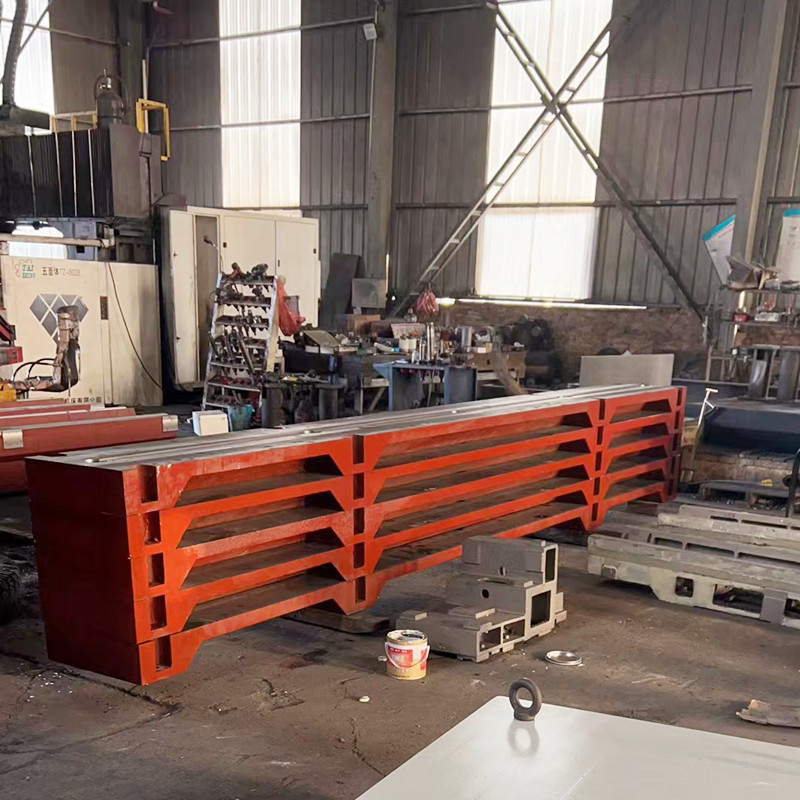
v block design
Exploring the V-Block Design A Revolutionary Approach in Architecture In the ever-evolving landscape
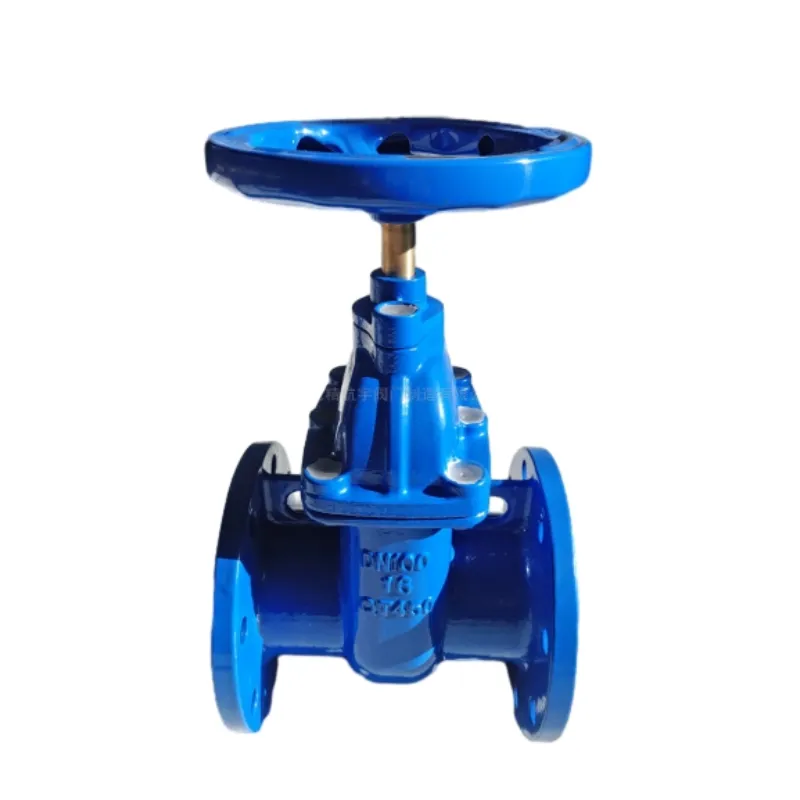
Versatile Right Angle Ruler for Precise Sewing Measurements and Crafting Precision Techniques
The Essential Right Angle Ruler for Sewing A Must-Have Tool for Every Seamstress Sewing is an art th
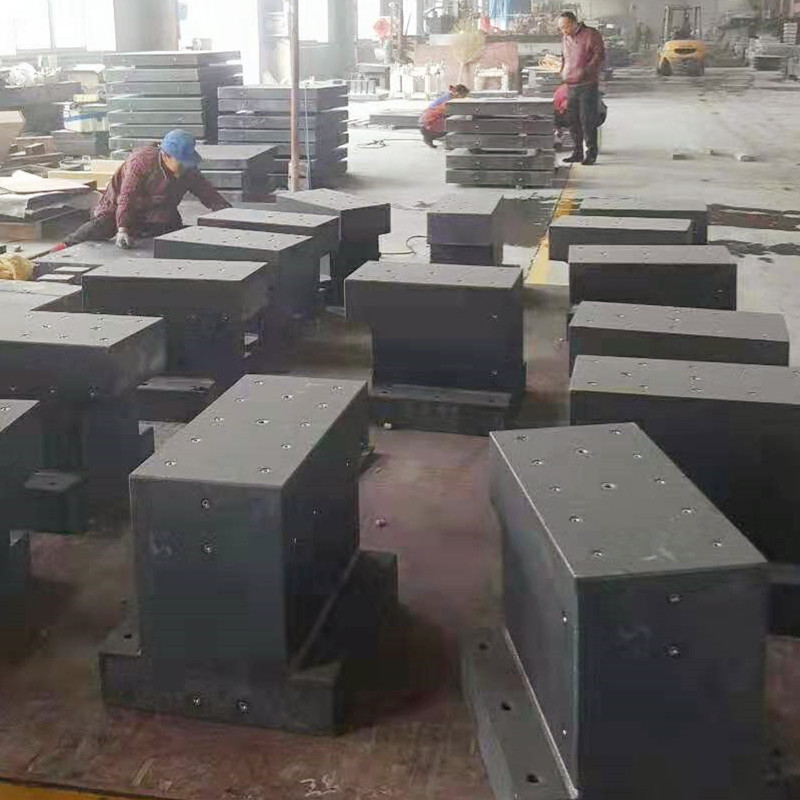
Versatile Portable Welding Table for Convenient and Efficient Metal Projects
The Versatility and Importance of Portable Welding Tables In the realm of metalworking, welding stan
 English